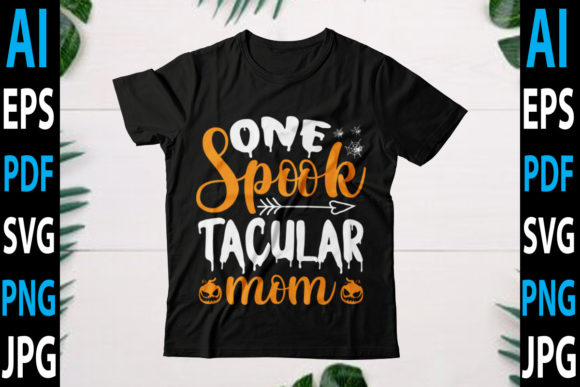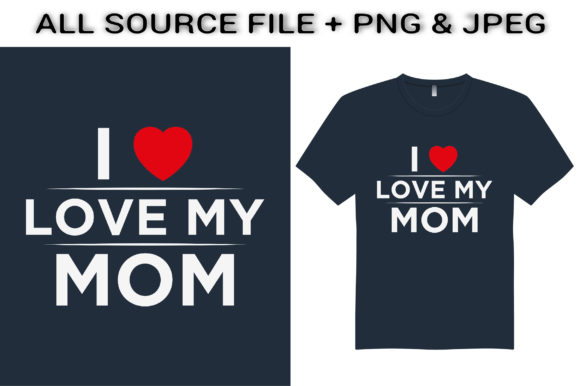
Reviewing the I Love My Mom T-Shirt Design for Real Embroidery
As a designer who has spent years digitizing patterns and testing them on everything from delicate baby onesies to heavy canvas tote bags, I approach every new machine embroidery design with a critical eye. It is not enough for a graphic to look good on a screen; it must translate seamlessly into thread, respecting the limitations of fabric tension, needle penetration, and stitch density. Recently, I evaluated the I Love My Mom T-Shirt Design, a digital asset categorized under Crafts and Graphics, to determine its viability for real-world commercial and personal projects.
First Impressions and Visual Personality
The initial visual impact of this design is warm and inviting, capturing the sentimental essence required for Mother’s Day merchandise. The layout appears balanced, avoiding the clutter that often plagues holiday-themed graphics. For an embroidery project, clarity is paramount. A design that relies too heavily on micro-details or extremely thin lines can result in thread breaks or poor coverage on textured fabrics. This particular design seems to prioritize legibility, which is crucial when working with satin stitch borders or fill stitch areas that need to remain smooth and professional.
The mood it creates is one of genuine affection, making it suitable for a wide range of personalized gifts. However, as a reviewer, I look beyond the sentiment. I examine the shape and flow. Does the typography allow for clean stitching? Are there sharp corners that might cause bunching? From a preliminary inspection, the design suggests a thoughtful approach to spacing, which bodes well for its performance on various hoop sizes.
Real-World Application Scenarios
To truly understand the value of an embroidery file, we must imagine it in use. I visualized applying this design to a custom embroidered tote bag. Tote bags are popular items for Etsy sellers and small shop products because they offer a large, stable surface area. On canvas, the design would likely hold up well, provided the stabilizer is appropriate. The contrast between the thread colors and the natural fabric texture would enhance the handmade product appeal, making it a standout item at craft fairs.
Another practical application is sweatshirt embroidery. Heavy cotton blends provide a sturdy base for denser stitching. If this design includes substantial fill areas, a sweatshirt is an ideal substrate because it can support the weight of the thread without puckering. For boutique branding, placing this motif on the left chest of a high-quality hoodie creates a subtle yet meaningful statement piece. It transforms a generic garment into a custom apparel item that customers are willing to pay a premium for.
For those focusing on baby embroidery, caution is advised. While the theme is perfect for nursery decor or infant clothing, the scale matters. If the design is too large or dense, it may feel stiff against sensitive skin. In such cases, using it as an accent on a blanket rather than directly on a onesie might be a smarter choice for maintaining comfort and quality.
Technical Considerations for Stitching
When preparing to stitch any new pattern, technical due diligence is non-negotiable. Since the product description notes that the files are compressed in a ZIP file, the first step is to extract and inspect the specific formats compatible with your machine. Without explicit details on stitch count or exact dimensions in the provided text, I strongly advise checking these metrics before hooping your final fabric.
- Stitch Density: High density can cause fabric distortion. Test on scrap fabric to ensure the material does not pull or warp.
- Thread Colors: Review the color sequence. Does the design rely on subtle gradients that might get lost in thread, or does it use bold contrasts that pop?
- Hoop Size: Confirm the design fits within your standard hoops. A design that barely fits leaves no room for error in placement.
- Stabilizer Selection: Use a cut-away stabilizer for stretchy fabrics like t-shirts and a tear-away for stable woven materials like aprons or pillow covers.
Additionally, consider the type of stitches used. If the design incorporates an applique design element, you will need to account for fabric placement and trimming. If it relies on running stitch outlines, ensure your machine tension is calibrated to prevent loose loops. Testing the design in black and white mockups can also reveal if the contrast is sufficient for readability on dark fabrics.
Navigating Fabric and Surface Challenges
Not all surfaces are created equal. While this design may excel on a flat t-shirt, curved surfaces like caps require careful handling. The curvature of a cap can distort text, so if the design features arched lettering, it must be digitized with that distortion in mind. Similarly, textured fabrics like terry cloth towels can swallow small details. If the I Love My Mom T-Shirt Design has fine lines, they may disappear into the pile of the towel. In such cases, increasing the stitch width or using a heavier thread weight might be necessary to maintain visibility.
Dark fabrics present another challenge. Light-colored threads on dark backgrounds require precise underlay stitching to prevent the fabric color from showing through. This is where the quality of the digitizing becomes apparent. A well-digitized file will include proper underlay to create a solid foundation, ensuring the top stitches appear vibrant and clean.
Commercial Viability and Brand Consistency
For craft business owners and digital product sellers, the ultimate test is marketability. Does this design enhance brand consistency? If your shop specializes in heartfelt, family-oriented items, this design fits seamlessly into your catalog. It supports the creation of cohesive collections, such as matching mother-child outfits or coordinated home decor sets.
Customer trust is built on quality. A poorly stitched design reflects badly on the seller, regardless of the sentiment. By thoroughly testing this digital embroidery file on various materials, you ensure that every finished product meets high standards. This attention to detail increases buyer engagement and encourages repeat customers who value professionalism.
Furthermore, using this design in printable mockups for your online store can help visualize the final product before production. High-quality previews attract more clicks and conversions, especially for holiday embroidery peaks like Mother’s Day. It allows potential buyers to see how the design looks on a sweatshirt versus a tote bag, aiding their purchasing decision.
Final Verdict and Practical Advice
The I Love My Mom T-Shirt Design offers a solid foundation for various embroidery projects, from personalized gifts to commercial merchandise. Its strength lies in its emotional resonance and apparent structural clarity. However, success depends on the executor’s preparation. Always verify the license terms before selling finished items or digital products. Ensure you have the correct file formats for your machine, and never skip the test stitch phase.
By treating this graphic not just as a picture but as a technical blueprint for thread, you can maximize its potential. Whether you are creating an embroidered patch for a jacket or a centerpiece for a holiday gift, this design can deliver professional results when handled with care and expertise. For makers and designers, it represents a versatile asset that, when properly executed, adds tangible value to your creative portfolio.