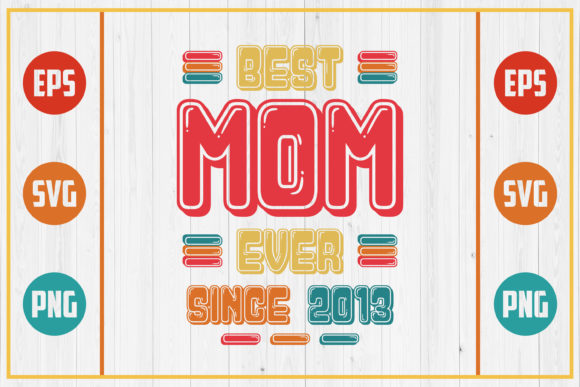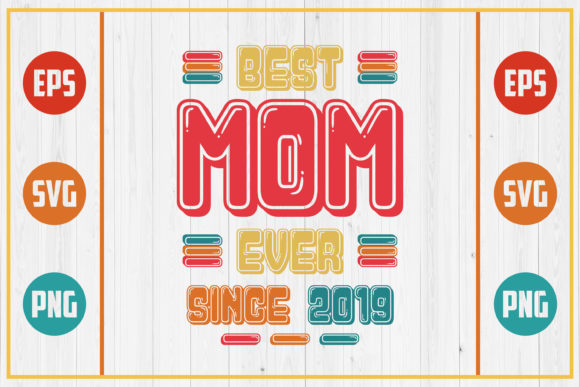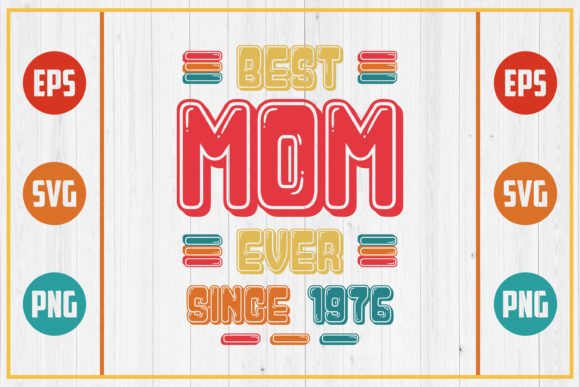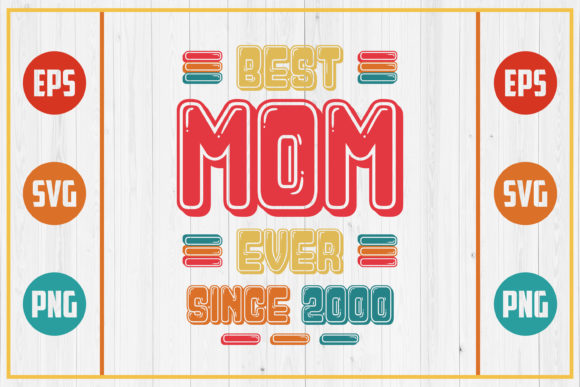
Reviewing Best Mom Ever Since 1973 for Embroidery
As a designer who has spent years digitizing and stitching thousands of machine embroidery design files, I approach every new asset with a critical eye. It is not enough for a graphic to look good on a screen; it must translate seamlessly into thread, needle, and fabric. Recently, I evaluated the Best Mom Ever Since 1973 file to determine its viability for real-world production. This review focuses on practical application, stitch behavior, and commercial potential for those of us running small shops or creating personalized gifts.
First Impressions and Visual Personality
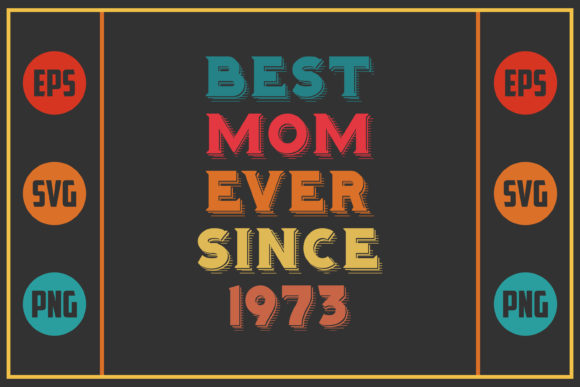
The immediate appeal of Best Mom Ever Since 1973 lies in its nostalgic yet timeless aesthetic. The typography suggests a vintage vibe, which is currently trending heavily in the Crafts sector. For an embroidery project, this means the design needs to balance readability with decorative flair. When I first opened the SVG file included in the download, I looked specifically at the curvature of the letters and the spacing between characters. In embroidery, tight kerning can lead to thread breaks or messy jump stitches, while overly loose spacing can make the text feel disconnected.
This particular design feels balanced. It carries a warm, celebratory mood that fits perfectly with heritage-themed projects. Whether you are creating a personalized gift for a milestone birthday or adding branding to a boutique line, the visual personality is friendly and approachable. It does not scream for attention with aggressive boldness but rather invites closer inspection, which is ideal for items meant to be cherished, like heirloom blankets or custom aprons.
Real-World Application Scenarios
To truly test a design, you must imagine it on specific substrates. I visualized Best Mom Ever Since 1973 on several common items to gauge its versatility.
- Sweatshirt Embroidery: This is perhaps the strongest use case. The design sits well on the chest or back of a crewneck. The year "1973" allows for customization, making it a perfect custom apparel item for mothers celebrating their 50th birthday or simply proud of their legacy.
- Tote Bag Design: Canvas bags require designs that are sturdy. If this SVG is converted into a fill-heavy embroidery pattern, it would hold up well against the rough texture of canvas. However, if used as a simple print via cutting machines, it offers a clean, modern look for eco-friendly shoppers.
- Embroidered Patch: Creating a merrow-edge patch with this text could be a bestseller for Etsy sellers. Patches allow for higher stitch density without worrying about fabric puckering, giving the text a rich, raised appearance.
- Kitchen Towels and Aprons: For a more subtle approach, this design works beautifully on hemstitched towels. It transforms a basic household item into a thoughtful holiday embroidery gift that feels personal and high-end.
Technical Considerations for Stitching
While the visual concept is strong, the technical execution depends entirely on how you convert or use the provided SVG. The product description notes that you receive one SVG file compatible with Cricut, Silhouette, Adobe Suite, Inkscape, and Corel. It is crucial to understand that an SVG is a vector graphic, not a pre-digitized embroidery file like PES or DST. This distinction is vital for professional results.
If you are using this for machine embroidery, you must digitize it yourself or use auto-digitizing software with caution. Here are the key technical factors to monitor:
- Stitch Density: Vintage-style fonts often have thick strokes. If you use a fill stitch that is too dense, the fabric will pucker, especially on lighter materials like cotton tees. You may need to use a lighter density or incorporate running stitch outlines to define edges without adding bulk.
- Small Details: Check the serifs and curves of the numbers "1973." Tiny details can get lost in stitching. If the elements are too small, consider simplifying the font or increasing the overall size of the design to ensure clarity.
- Stabilizer Choice: For stretchy fabrics like sweatshirts, a cut-away stabilizer is non-negotiable to prevent distortion. For woven fabrics like tote bags, a tear-away might suffice, but always test first.
Navigating Fabric and Hoop Constraints
Not every surface is suitable for this design. On textured fabrics like terry cloth or heavy wool, fine details may disappear. In such cases, I recommend using an applique design technique where the text is cut from felt or contrasting fabric and then stitched down. This reduces stitch count and ensures legibility.
Curved surfaces, such as caps or baby hats, present another challenge. The horizontal layout of Best Mom Ever Since 1973 requires a flat area. Attempting to stitch this on a highly curved cap front may cause registration issues unless you have advanced hooping skills and proper backing. Always check your hoop size capacity before starting. If the design exceeds your hoop dimensions, you will need to split the design, which can result in visible alignment marks—a risk for professional small shop product quality.
Commercial Value and Brand Consistency
For creative entrepreneurs and digital product sellers, the value of this asset lies in its adaptability. Since it is a digital download, you can recolor it endlessly to match seasonal trends. A pastel palette works for spring baby showers, while deep jewel tones suit winter holiday gifts. This flexibility helps maintain brand consistency across different product lines.
However, transparency with customers is key. Since this is a Graphics file intended for crafting, ensure your listings clearly state whether you are selling the physical embroidered item or the digital file itself. Misunderstandings here can lead to negative reviews. If you are selling finished goods, highlight the quality of the thread and the precision of the stitching to justify the price point. A well-executed finished product featuring this design conveys trust and professionalism.
Practical Designer Notes
Before launching this design into your production line, follow these steps to ensure quality control:
- Test on Scrap Fabric: Never stitch directly on your final garment. Use similar weight and weave scraps to test tension and density.
- Check Thread Color Contrast: Ensure the thread color stands out against the fabric. Low contrast can make the text hard to read, diminishing the impact of the message.
- Mockup Verification: Create printable mockup images showing the design on various backgrounds. This helps customers visualize the end result and increases buyer engagement.
- License Confirmation: Although this is a digital asset, always verify the commercial use rights associated with the SVG file. Ensure you are compliant with any restrictions before selling items made with this design.
In conclusion, Best Mom Ever Since 1973 is a versatile and emotionally resonant design element. With careful digitization and attention to fabric choice, it can elevate a simple handmade product into a cherished keepsake. For designers willing to put in the technical work, it offers significant potential for both personal projects and commercial success.